

More Stable Mood
60–70% experience meaningful symptom improvement, with more stable mood and fewer emotional lows overall.
Request a ConsultationHours M-F 9am-6pm | Sat 9am-1pm
TMS is a clinically supported, non-invasive treatment designed to help patients move toward greater stability, clarity, and daily function.
60–70%
30–50%
Zero Medications
No Downtime
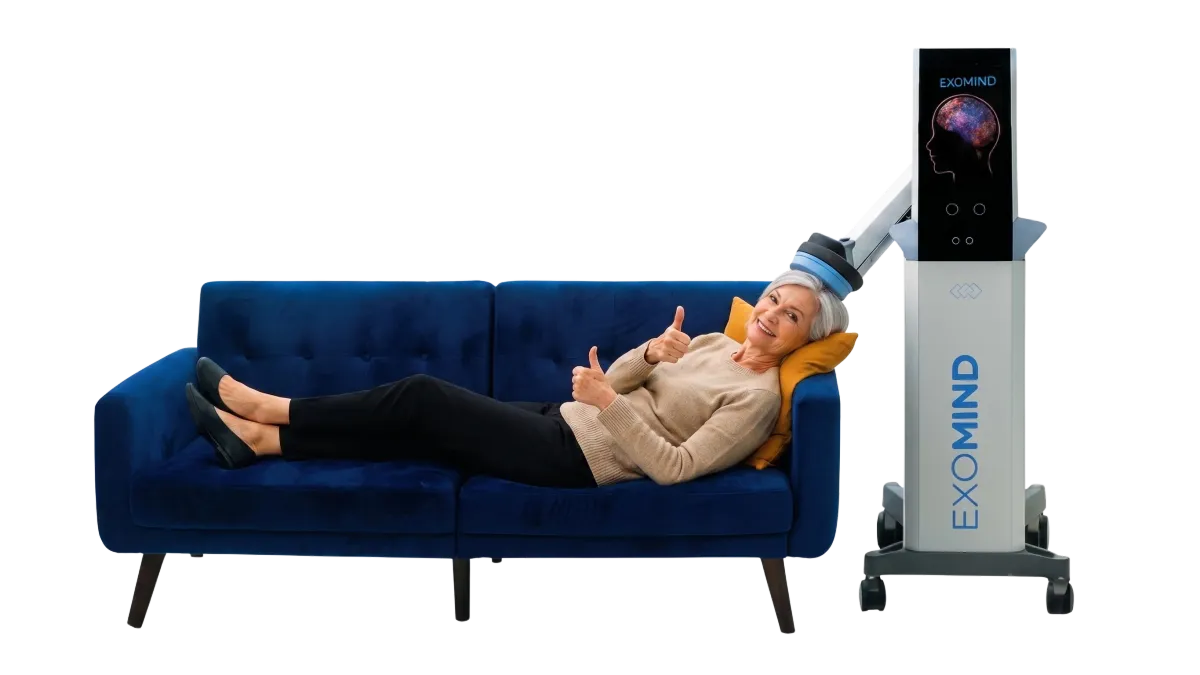
Treatment environment
TMS is physician-guided, non-invasive, and does not require anesthesia or downtime. At iCare Mind Space, care is calm, structured, and clearly explained.
We begin with a physician-guided consultation so your next step feels informed, safe, and appropriate.
Our goal is to make care feel clearer, more manageable, and easier to move forward with confidence.
60–70% experience meaningful symptom improvement, with more stable mood and fewer emotional lows overall.
Request a Consultation
TMS helps regulate stress pathways, reducing anxiety and improving emotional control within weeks.
Request a Consultation
Up to 70% report improved concentration, clearer thinking, and more manageable daily tasks overall.
Request a Consultation
Improved mood supports better sleep quality and reduced fatigue, restoring a more natural daily rhythm.
Request a Consultation
Patients often experience increased energy and motivation, making it easier to engage in daily activities.
Request a Consultation
30–50% achieve remission, allowing improved functioning, stability, and a stronger return to normal life.
Request a ConsultationTMS is an FDA-cleared, non-invasive treatment that uses targeted magnetic pulses to stimulate brain circuits involved in mood, focus, and motivation. Sessions are physician-guided, you stay awake, and there is no anesthesia or downtime.
For adults who have not had enough relief from medication, TMS can offer a structured next step that may support clearer thinking, steadier mood, and better daily function.
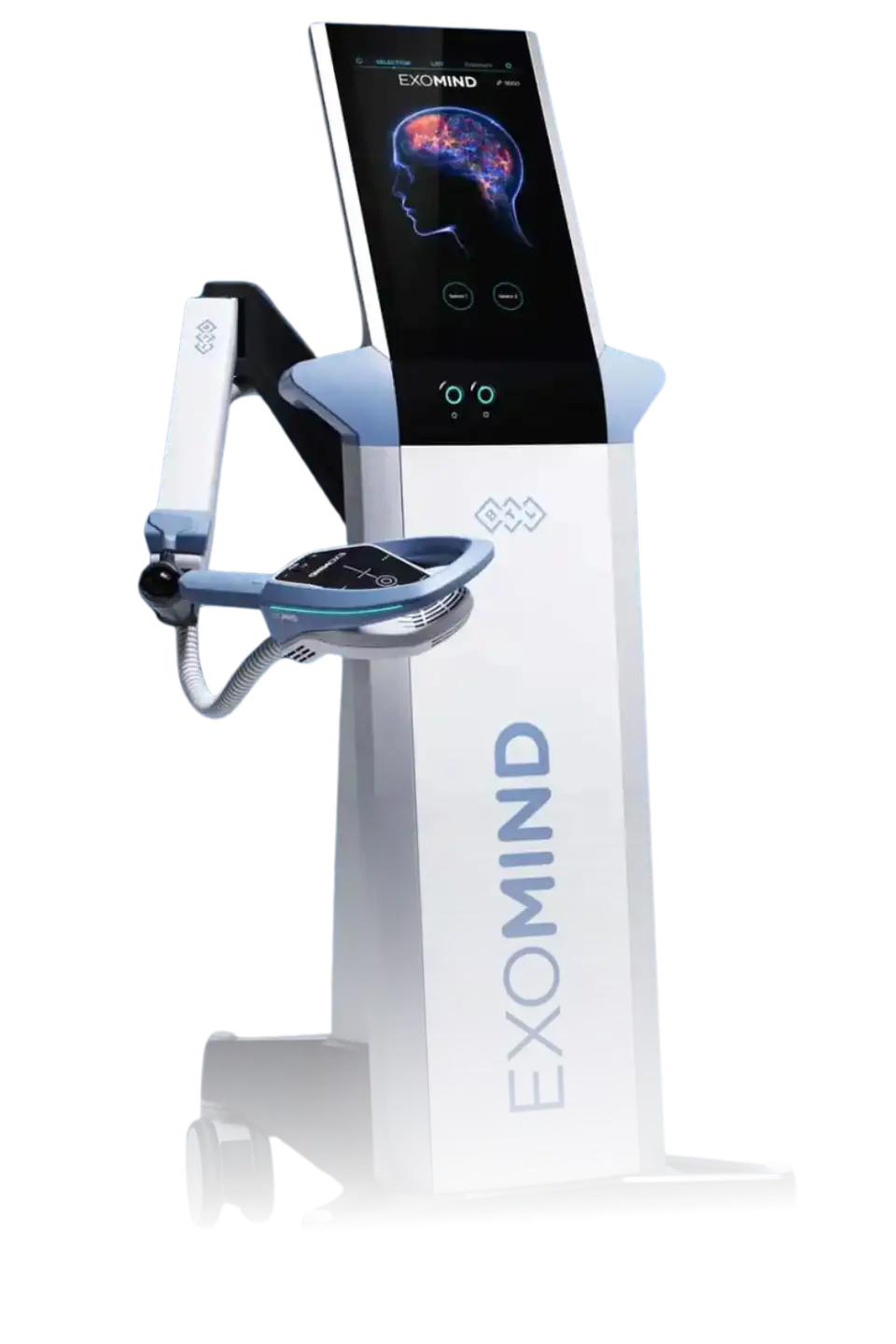
Exomind platform
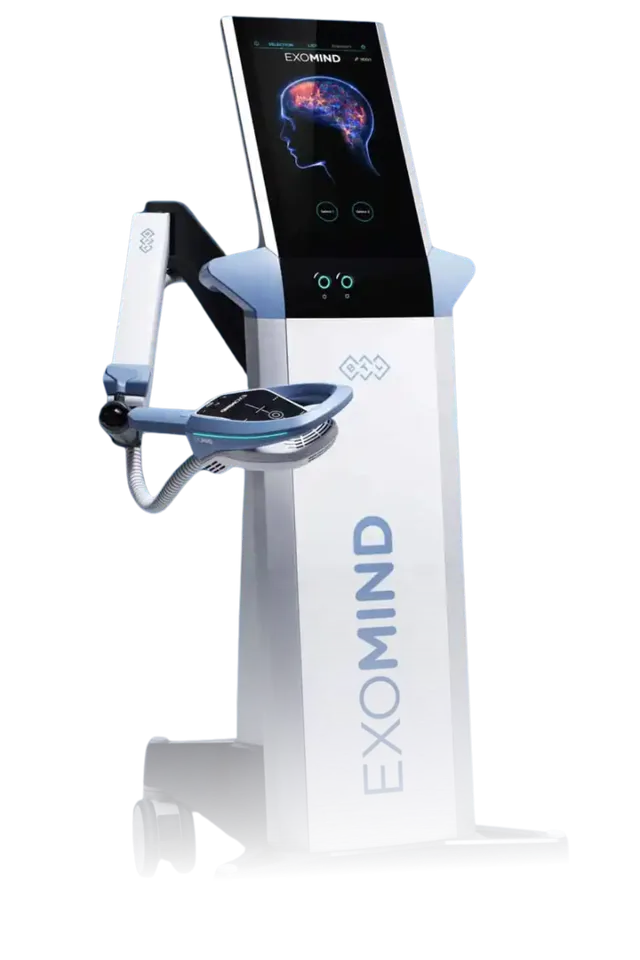
EXOMIND is used in-office under physician guidance and fits into a broader, individualized care plan.
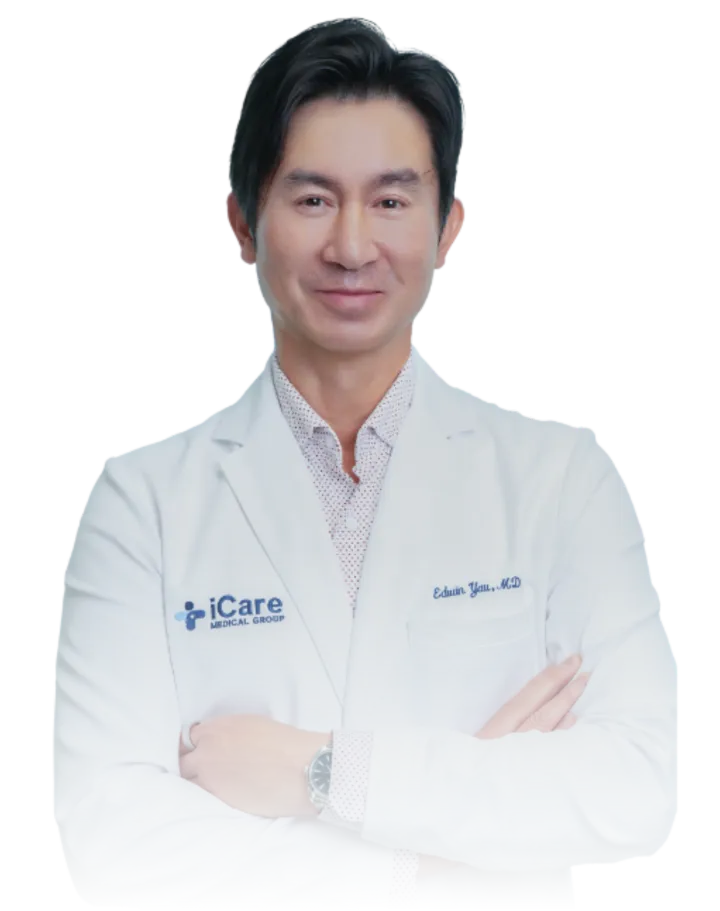
Dr. Edwin Yau
Whole-Person Care for Depression Treatment and Mental Wellness
Dr. Edwin Yau is a board-certified physician with experience in both hospital and outpatient care. His approach is grounded in whole-person treatment, with attention to emotional health, physical wellbeing, and long-term stability.
At iCare Mind Space, each treatment plan is shaped around the patient’s history, symptoms, and goals. TMS is offered as part of a broader care path, not as a one-size-fits-all service.
Patients are guided with clear communication, realistic expectations, and steady support from consultation through follow-up.
These are the questions patients ask most often before starting physician-guided TMS care. The goal is to make the next step feel clearer and less overwhelming.
Ask Your QuestionTMS is an FDA-cleared treatment for depression and is commonly considered when medication has not helped enough or has caused difficult side effects. It does not work for everyone, but many patients experience meaningful improvement over a full course of treatment.
TMS is generally considered safe and well tolerated. The most common side effects are mild, such as scalp discomfort, headache, lightheadedness, or brief facial muscle twitching during treatment. Serious side effects are rare, but your physician should still review your history carefully before treatment.
During treatment, you remain awake and seated comfortably. A small device is placed against your head and delivers gentle magnetic pulses. Most people describe the sensation as a light tapping on the scalp. Sessions are typically brief, and you can return to normal activities immediately afterward. There is no recovery time, and many patients fit treatments into their daily routine without disruption.
Some patients begin to notice improvements within 2 to 3 weeks, though full benefits typically develop over a complete treatment course. Results can last for months or longer, especially when combined with ongoing care. Like many treatments for depression, maintenance or follow-up care may be recommended depending on individual response. The goal is not just short-term relief, but more stable, long-term improvement.
TMS is not a wellness trend. It is an FDA-cleared, evidence-based medical treatment that has been used in clinical settings for years. At iCare Mind Space, it is delivered as part of a physician-guided care plan rather than as a stand-alone wellness service.
TMS is often considered for adults with depression who have not had enough improvement from medication or who want to discuss a non-invasive treatment option. The best way to know is through a consultation, where your physician reviews your symptoms, treatment history, and any safety considerations before making a recommendation.
Request a physician-guided TMS consultation in Monterey Park to see whether this non-invasive treatment is the right next step for your symptoms and goals.
Your consultation takes place in a calm, confidential clinical setting where you can discuss symptoms, ask questions, and understand your next options clearly.
The goal is to help you make an informed decision about whether TMS fits your care plan.
Complete a brief intake form so the care team can understand your history, current symptoms, and what kind of support you are looking for.
A structured evaluation helps confirm whether TMS is appropriate and keeps the treatment plan aligned with your symptoms, goals, and safety considerations.